Pick your planet
Eight worlds to explore, with bite-sized facts and an explorer passport.
 BIG BEARPLANETARIUMS
Visit the planets. Test your space knowledge. Spot the space station. Keep discovering with Big Bear and a real practising astronomer.
Schools · Preschools · Libraries · Community events
We don’t just teach astronomy.
We live it.
Eight worlds to explore, with bite-sized facts and an explorer passport.
Choose one of three challenges. Learn a little more with every answer.
See what’s above your horizon now: planets, stars, constellations and deep-sky discoveries.
Gentle introductions to the planets and stars, with shorter sessions shaped around young learners.
Curriculum-linked STEM adventures, big questions and a practising astronomer to bring discovery to life.
Bring families together beneath the stars, with experiences adapted to your audience and event.
Carl O Beirnes operates J09 Balbriggan Observatory and observes near-Earth asteroids. That hands-on experience is at the heart of Big Bear Planetariums, from the stories we tell to the questions your pupils ask.
Explore solar and lunar eclipses, see what each type looks like and save the dates worth looking up for.
Seen a line of lights crossing the sky?
Meet the Starlink train and check live viewing predictions for your town.
Explore possible themes for your visit. We’ll agree the content and session length around your group.
Get to know the worlds that share our Solar System. An age-appropriate journey for first discoveries and curious questions.
Explore the night sky and the wider universe, with explanations tailored to your group and space for questions.
Your enquiry has been sent to Big Bear Planetariums. We’ll be in touch about availability and a quotation. No booking is confirmed yet.
Choose a planet and explore. Zoom the imagery, discover its story, then test what you know.
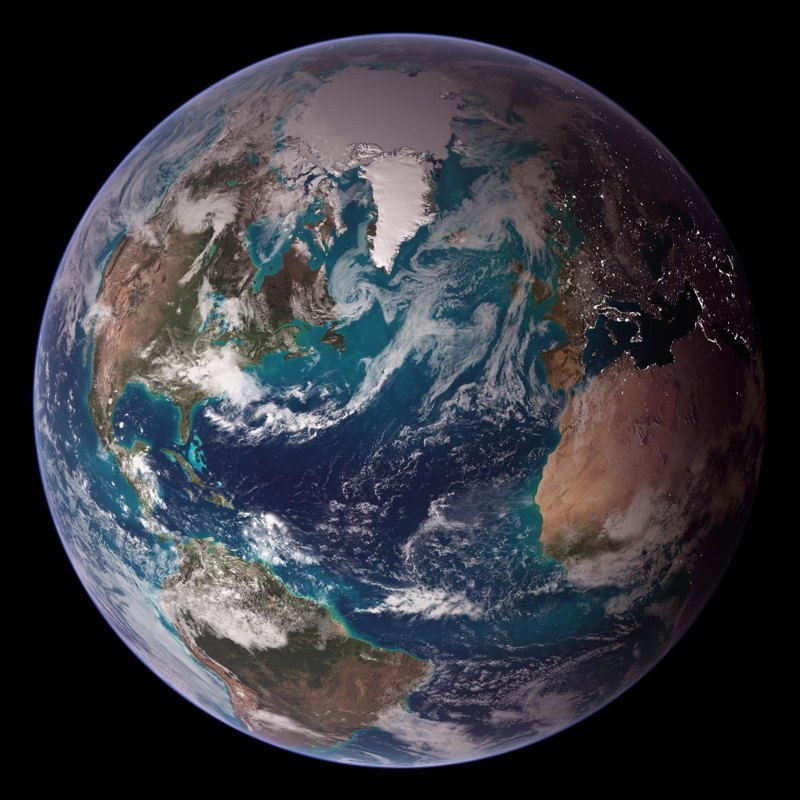 NASA imagery · not to scale
Facts adapted from NASA’s planet fact pages, linked for each world. Years and rotation periods are rounded. “One spin” is rotation relative to distant stars; it can differ from the time between sunrises. Images are not live views and do not show the planets at a common scale.
60 questions across three levels. Six per mission, with fresh questions as you play. Every answer brings a little discovery.
No timer, no pressure. Try again whenever you like. Your best scores stay on this device.
Keep asking questions. That’s where discovery begins.
Original Big Bear questions based on NASA Solar System facts, the planet pages and NASA’s ISS viewing guidance., plus NASA guides to the Moon, Sun, stars and comets.
Follow current geomagnetic activity, explore the latest aurora forecast and watch for an opportunity to look north from Ireland.
Checking NOAA data…
Loading the latest NOAA reading.
A global activity indicator, not a local aurora detection or a probability of seeing the lights.
Waiting for fresh data.
A banner appears on any Big Bear page when a fresh NOAA estimate reaches your chosen threshold. The app checks every five minutes while open and visible, and checks again when you return. Preferences stay on this device. This is an activity watch, not an official NOAA alert or confirmation of aurora over Ireland. Old or unavailable readings pause the alerts.
Get a Big Bear activity watch notification even when the app is closed. Alerts use your chosen Kp threshold above and are sent during Irish evening and night hours (5pm–7am). Aurora visibility depends on darkness, weather and your location; a notification does not confirm a sighting.
On iPhone or iPad: use Share → Add to Home Screen, open Big Bear from that icon, then enable alerts here.
Checking notification availability…
Optional and free to subscribe. We store your browser’s notification subscription and chosen activity threshold, without asking for your name, email or location. Turn alerts off here to delete the subscription. Normally at most one alert every six hours; a stronger storm may trigger another after two hours. Your phone’s notification and Focus settings can affect delivery.
NOAA’s OVATION short-term model normally looks about 30–90 minutes ahead. This is a forecast map, not a live camera or satellite photograph. Read the forecast time above the map and the intensity key below it.
Loading the forecast timestamp…
The forecast map could not be drawn in this browser. Open the official NOAA forecast below.
Model intensity: lower higher · Ireland marked in gold
Increase zoom, then scroll inside the map to inspect Europe. Green through red show stronger modelled auroral intensity; a display can sometimes be seen from outside the oval under favourable conditions.
Open NOAA’s full forecastThe space-weather news and aurora reports you asked for, opened directly on the original site.
Open SpaceWeather.comExplore additional auroral activity charts and forecasts on this independent service.
Open SpaceWeatherLiveReadings and forecast: NOAA / NWS Space Weather Prediction Center. The near-real-time Kp estimate can differ from the final three-hour planetary index. The alert rule is Big Bear’s selectable watch threshold, not a location-specific prediction. SpaceWeather.com and SpaceWeatherLive are separate independent services; their content is linked, not reproduced. This page does not check cloud cover. Map coastlines: Natural Earth / World Atlas (credits).
Your sky, for your place and time. Find planets, bright stars, constellations, galaxies and nebulae. Zoom the chart and choose a target to discover where to look.
Choose Sky now to load your chart.
Calculating your sky…
Positions are calculated for your selected observing location.
Drag to pan · pinch or + / − to zoom · tap a marker. North is at the top, east on the left: this chart is viewed looking up. The centre is overhead and the outer circle is your horizon. Keyboard: arrows to pan, + / − to zoom, Home to reset.
Tap a bright marker or select a target below. You’ll see its direction, height above the horizon and how best to observe it.
The map uses locator symbols, not telescope photographs. Zooming enlarges the chart, rather than revealing photographic surface detail.
No matching targets at this place and time. Clear the search, change the type, or untick “Above the horizon only”.
Above the horizon does not guarantee visibility. This page does not check cloud cover, trees, buildings or local light pollution. Daylight, moonlight and low altitude can hide targets. Never point binoculars or a telescope at or near the Sun. Younger explorers should observe with an adult.
Planet and Moon positions: Astronomy Engine 2.1.19, calculated in your browser. Star positions, constellation patterns and 110 Messier objects: D3-Celestial catalog data (J2000, transformed for your place and date). Bright-star positions omit proper motion. Patterns and symbol sizes are illustrative. This is a selected observing catalog, not every object in the sky.
Discover today’s Moon, explore the stars and plan your next space-station sighting.
No location permission is needed. Your choice stays in this browser. Moon calculations stay in your browser. Opening external sky maps or predictions shares the selected coordinates with that service.
Open this section to load today’s astronomical data.
Moon photograph: NASA/JPL/USGS · Galileo . Enhanced-colour spacecraft imagery with a calculated shadow matching the calculated illuminated fraction. This is a phase illustration, rather than a live photograph; surface orientation and crater shadows are illustrative.
Phase and illumination are calculated for the current time using the bundled Astronomy Engine. Moonrise, moonset and primary phase times are converted to the selected time zone, with daylight saving handled for each event. The illuminated fraction is essentially the same worldwide; rise and set times depend on your location. Astronomy Engine source
Pan across the sky, search for planets and constellations, and move through time. After loading, check Stellarium’s location and clock before observing. Open the sky map in this window for the most space.
Opens Stellarium in this window with your chosen coordinates. Check its location and clock before observing.
Stellarium Web is an independent service with its own controls and privacy choices. Never point binoculars or a telescope at the Sun.
Can you spot a spacecraft with your own eyes?
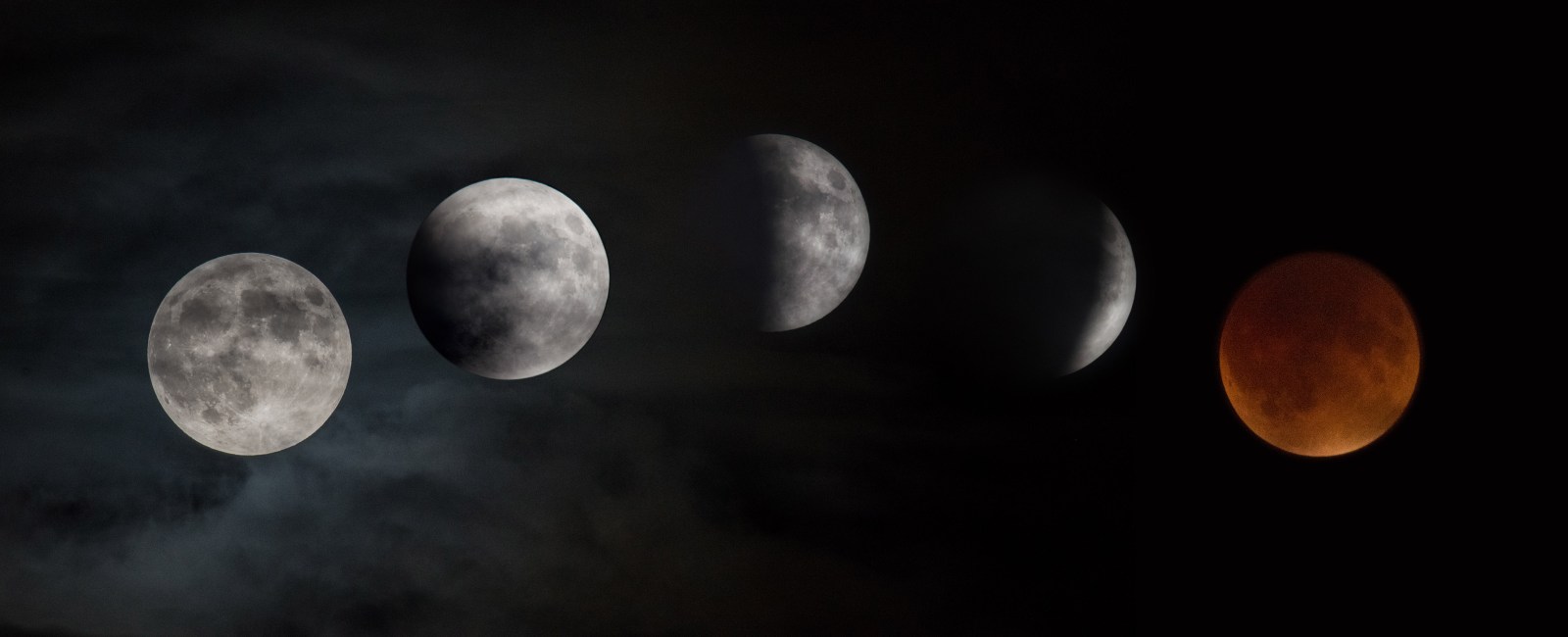
A crescent Sun. A copper-red Moon. Discover the eclipses coming to Irish skies, and make a plan to see them for yourself.
Times below are in Irish local time, with Dublin as the reference unless stated otherwise. Your town’s timings and horizon may differ. Open each event’s viewing details and choose your location before making plans.
This guide covers 2027–2028. Past events disappear automatically. Clear skies and an unobstructed view are needed; visibility is never guaranteed.
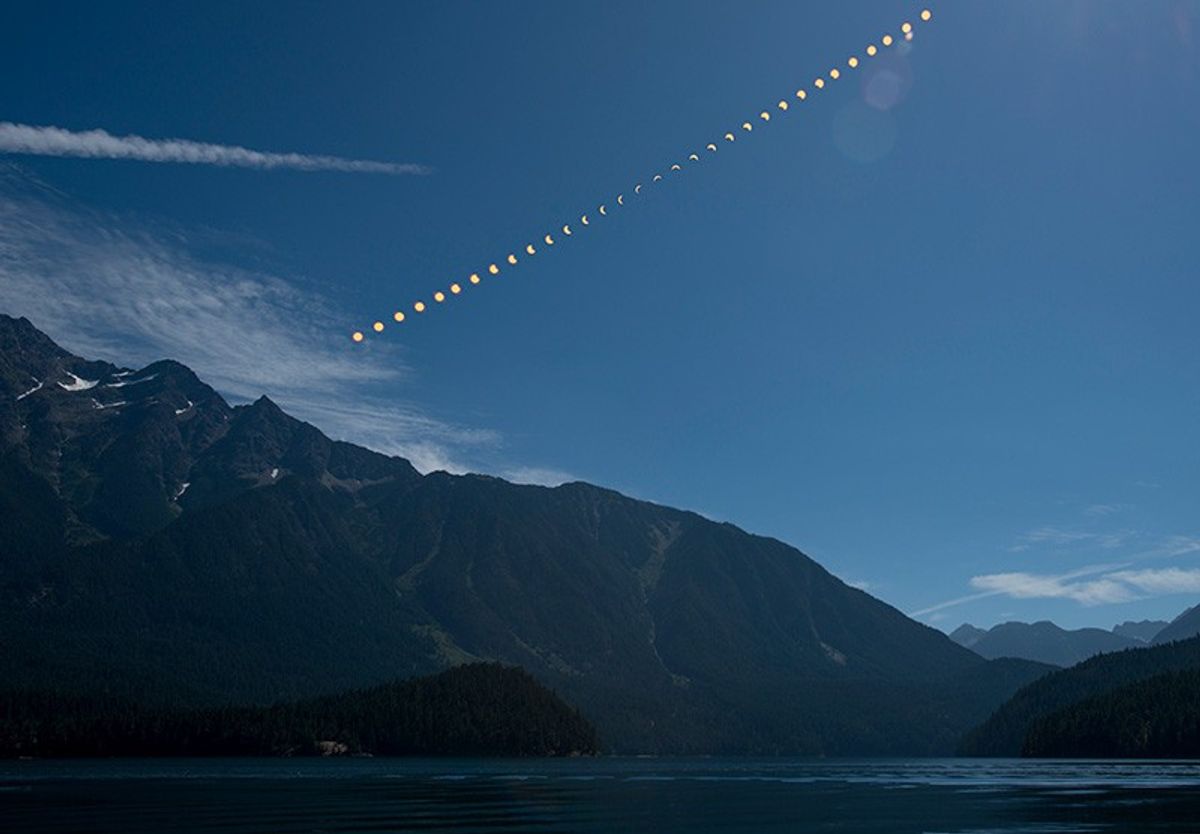
Use undamaged solar viewers from a reputable supplier that meet ISO 12312-2, following their instructions. Ordinary sunglasses are unsuitable. Never look at the Sun through a camera, binoculars or a telescope while wearing eclipse glasses; optical equipment needs correctly fitted solar filters in front of its optics and expert guidance. Supervise children.
Lunar eclipses are safe to watch with your eyes, binoculars or a telescope. A partial lunar eclipse makes a dark notch in the Moon; a total one can turn it coppery red. A penumbral eclipse produces faint shading that can be difficult to notice.
Read NASA’s solar viewing guidanceEvent dates, local classifications and reference times checked against timeanddate’s Ireland eclipse predictions on 13 November 2026. Event links open an independent service. Calendar files offer reminders in your calendar app; this section does not send Big Bear push alerts.
Watch the International Space Station or look for a Starlink satellite train. Choose your adventure below.
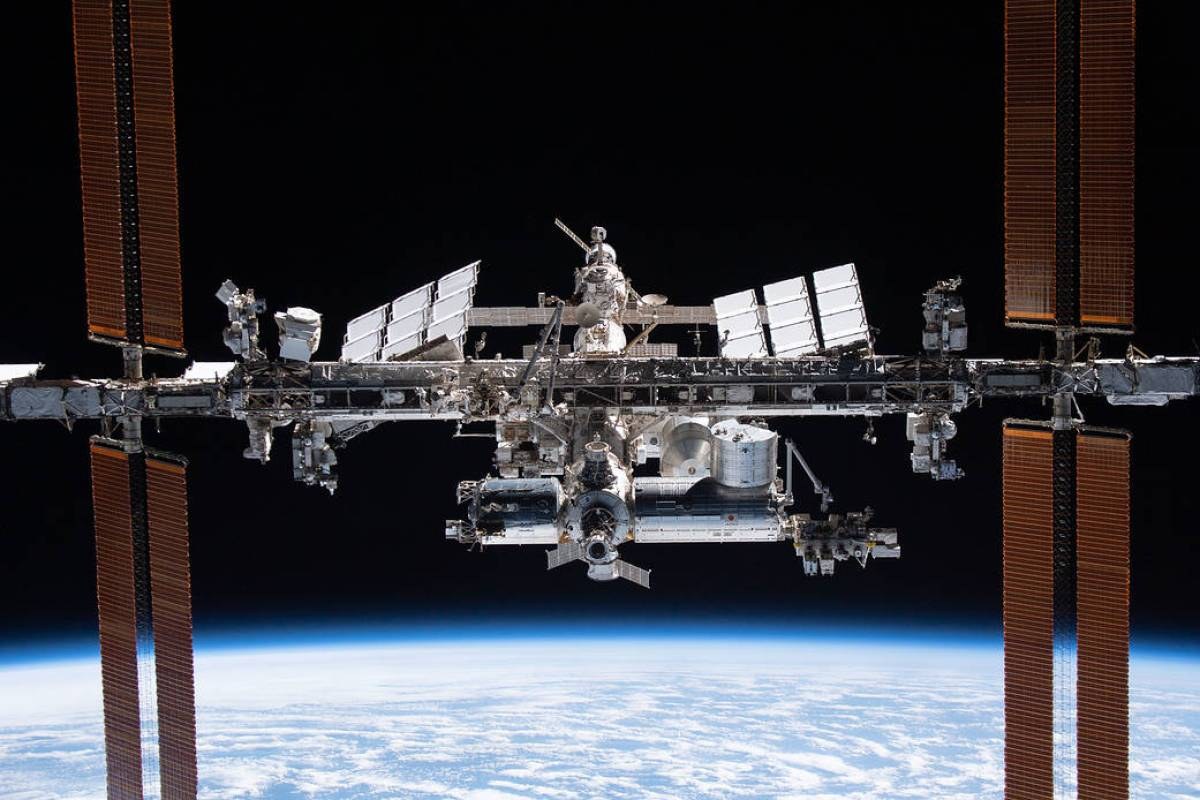
The International Space Station can look like a bright, steady point moving across the sky. You can spot it with your eyes, without a telescope.
Choose your nearest town and get a phone reminder about ten minutes before a predicted visible ISS pass, even when Big Bear is closed.
Loading ISS reminder settings…
Optional and free to subscribe. We store your chosen town and notification subscription. We do not track your phone or ask for your name, email or precise location. ISS and aurora alerts are separate choices. Turn ISS reminders off here to delete your ISS subscription.
Loading predictions…
Predictions use fresh CelesTrak orbital data and SGP4 calculations. We include sunlit passes visible for at least one minute, above 10° in a dark sky. Buildings and cloud can block your view. Prediction times and phone delivery can change; ten minutes is our target, not a guaranteed arrival time. On iPhone or iPad, open Big Bear from its Home Screen web app icon.
Open the latest ten-day ISS predictions for your chosen location. Check the date and time zone shown on Heavens-Above before planning your sighting.
Heavens-Above opens in this window with your chosen coordinates and supplies the current predictions when you open it. It has its own privacy choices. Heavens-Above supplies its own predictions; Big Bear reminders use the separate calculations above. Custom coordinates use UTC; check the time label on the prediction page. Clear skies and an open horizon are essential.
A pass overhead is not always a visible sighting. Lighting and your viewing location matter; twilight and night often offer the best opportunities.
This means the angle above your horizon, not the station’s altitude in kilometres. The point directly overhead is 90°.
Write down your place, date, time, direction and what you saw. Compare your observation with the prediction.
Source: NASA Spot the Station FAQs . The external predictions link is supplied by Heavens-Above; NASA’s app is another option for sightings and alerts. Clear skies and an unobstructed view still matter.
A recently launched group of Starlink satellites can cross the sky in a line of moving lights. Find out whether there is a viewing opportunity near you.
Trains spread out as the satellites settle into their orbits. A pass by one Starlink satellite does not mean a compact train will be visible.
Live predictions open on an independent website. Heavens-Above receives your selected town’s coordinates. Your town choice is saved only in this browser; Big Bear does not request your precise location.
On Find Starlink, choose your country and town, or enter the reference coordinates shown above. Its results group sightings by visibility and show when and where to look. Confirm the displayed local time.
Look with your eyes for several steady points moving along a similar path. The group can be close together or stretched across the sky. You do not need a telescope.
The satellites need sunlight while your sky is dark enough to see them. Cloud, haze, streetlights and a low pass can hide a predicted sighting. Choose a safe, open observing spot.
A recent launch does not guarantee an Irish sighting. Satellites manoeuvre and separate, and their brightness varies. Always favour a current visibility forecast over a launch announcement.
Predictions: Heavens-Above and Find Starlink. Independent services with their own data, controls and privacy policies. Big Bear is not affiliated with SpaceX, Starlink or these prediction services.
A place for curious children, teachers and families. Explore 60 space facts. Discover a different one each time you visit, or tap for another.
Explore worlds and spacecraft with NASA’s browser-based Eyes experiences.
Launch NASA’s EyesDiscover ESA’s lessons, space games, videos and creative activities for children.
Visit ESA KidsExplore NASA Space Place’s Solar System questions and hands-on activities.
Discover Space PlaceExplore NASA’s Eyes on Asteroids through the Eyes hub. A starting point for understanding near-Earth objects.
Explore NASA’s asteroid toolsSee spacecraft imagery and read about the rocky planets, giant planets and dwarf planets.
Open NASA’s planet guidesFind location-based viewing opportunities for the International Space Station.
Spot the StationNo matches. Try a broader word such as “NASA” or “games”.
A star produces energy through fusion. A planet orbits a star; a natural moon orbits another body. Our Sun is a star, Earth is a planet and the Moon is Earth’s natural satellite.
Rotation is a world turning on its axis. An orbit is its path around another body. Earth rotates as it travels around the Sun.
An asteroid is a small rocky world in space. A meteoroid is a smaller piece of rock or metal. The glowing streak as one enters an atmosphere is a meteor. A piece that reaches the ground is a meteorite.
A light-year measures distance: how far light travels in one year. It is not a unit of time.
A dwarf planet orbits the Sun and is rounded by its own gravity, but has not cleared its orbital neighbourhood. Pluto is one example.
Earth’s axis is tilted. As Earth orbits the Sun, each hemisphere receives different amounts and angles of sunlight through the year.
Carl operates J09 Balbriggan Observatory and observes near-Earth asteroids. A Big Bear visit connects these discoveries with your own questions about space.
Learning sources: NASA Solar System facts, NASA Space Place and ESA Kids. External resources open in this window and may change. Big Bear Planetariums is independent; links do not imply NASA or ESA endorsement. No accounts are needed for the Big Bear activities. Explorer progress is stored only in this browser.